Dangerous plants
Cycad (Sago Palm, Cycas revoluta)

Although commonly called a "dwarf palm," the sago palm is not a true palm. It is one of the most dangerous ornamental plants for dogs and is widely planted throughout Israel—in parks, residential gardens, and sometimes even next to dog parks.
Every part of the plant is toxic: the roots, trunk, leaves, flowers, and especially the seeds.
Ingestion can cause severe liver damage and acute liver failure. Unfortunately, the mortality rate is very high. Dogs that survive often require prolonged intensive care, including daily blood work, coagulation monitoring, plasma transfusions, and extensive medical treatment.
If you have a sago palm in your garden, removing it is strongly recommended if dogs have access to the area.
Other Toxic Plants
Several other ornamental plants commonly found in Israel are also dangerous for dogs.
- Oleander (Nerium oleander) — affects the gastrointestinal tract, heart, and nervous system.

- Rhododendrons and Azaleas — can damage the digestive, cardiovascular, and nervous systems.

- Lantana — may cause severe liver failure.

- Autumn Crocus (Colchicum autumnale) — causes severe gastrointestinal disease, multi-organ failure, and bone marrow suppression.

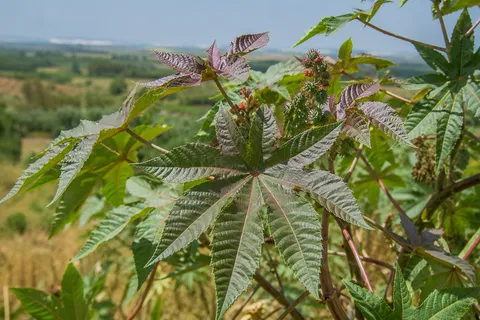
- Castor Bean (Ricinus communis) — affects the nervous system, digestive tract, and kidneys.
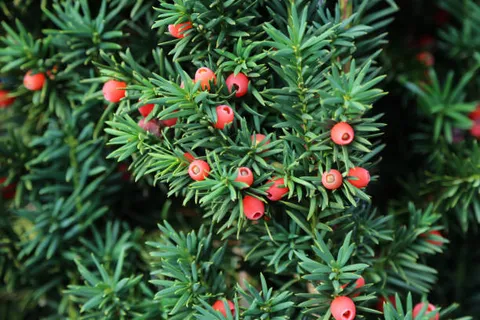
- Yew (Taxus spp.) — highly toxic, affecting the heart, nervous system, and gastrointestinal tract.
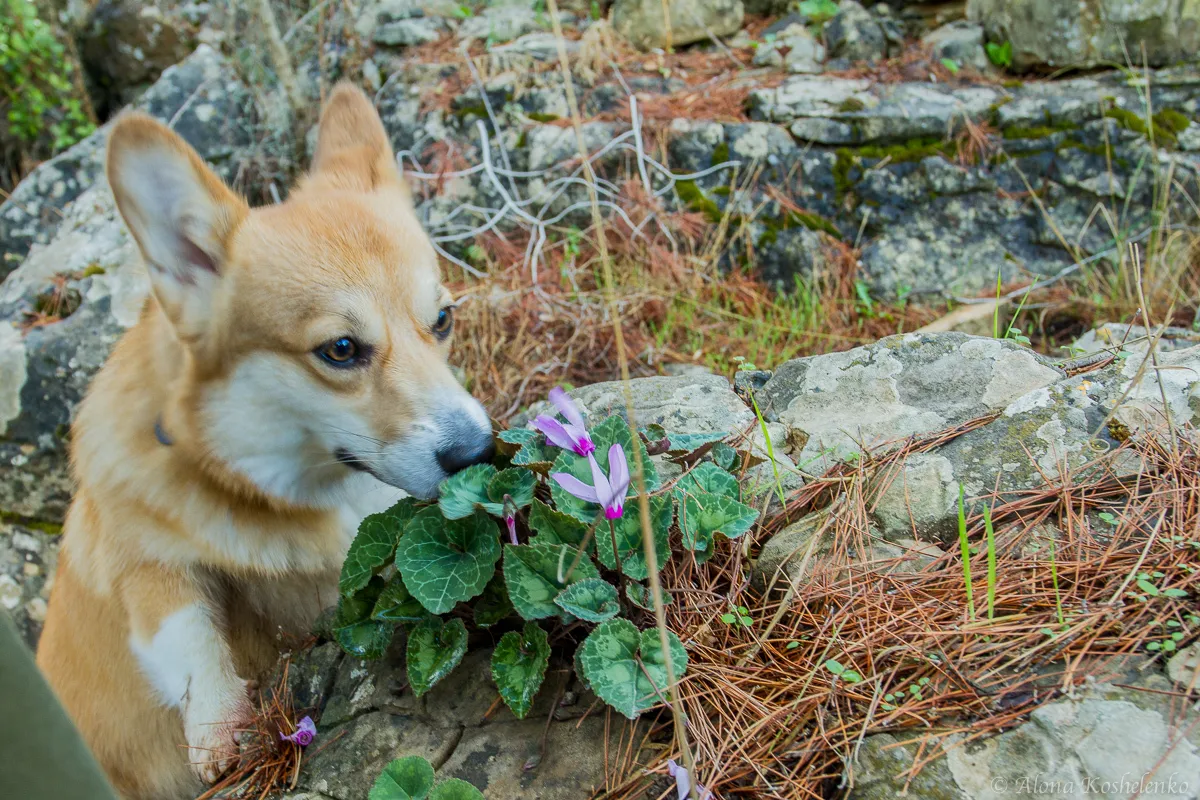
- Cyclamen — the tubers are particularly toxic and may cause severe digestive and cardiac problems.

Cannabis

Medical CBD products are increasingly being used in veterinary medicine under professional supervision.
However, the cannabis plant itself—especially its flowers and products made from them, such as hashish—is toxic to dogs.
Symptoms may include:
- loss of coordination;
- vomiting;
- urinary incontinence;
- excessive drooling;
- low blood pressure;
- decreased body temperature;
- low blood sugar.
Severe intoxication may lead to seizures, coma, and even death.
Grass Awns

Not all dangerous plants are poisonous.
One of the most common seasonal hazards in Israel is grass awns — the sharp seeds of wild grasses.
Because of their barbed structure, awns can move only in one direction. Once they enter a dog's coat, ears, nose, or paws, they continue migrating deeper into the tissues.
They may lodge almost anywhere in the body and, in rare cases, can even reach the lungs.
Signs of a grass awn in the nose
The classic scenario is simple:
Your dog is perfectly fine before a walk, suddenly starts sneezing during the walk, and the sneezing never stops afterward.
Other warning signs include:
- bleeding from one nostril;
- thick or purulent nasal discharge;
- a persistent cough that does not respond to treatment.
Prompt veterinary attention is essential, as early removal greatly reduces the risk of complications.