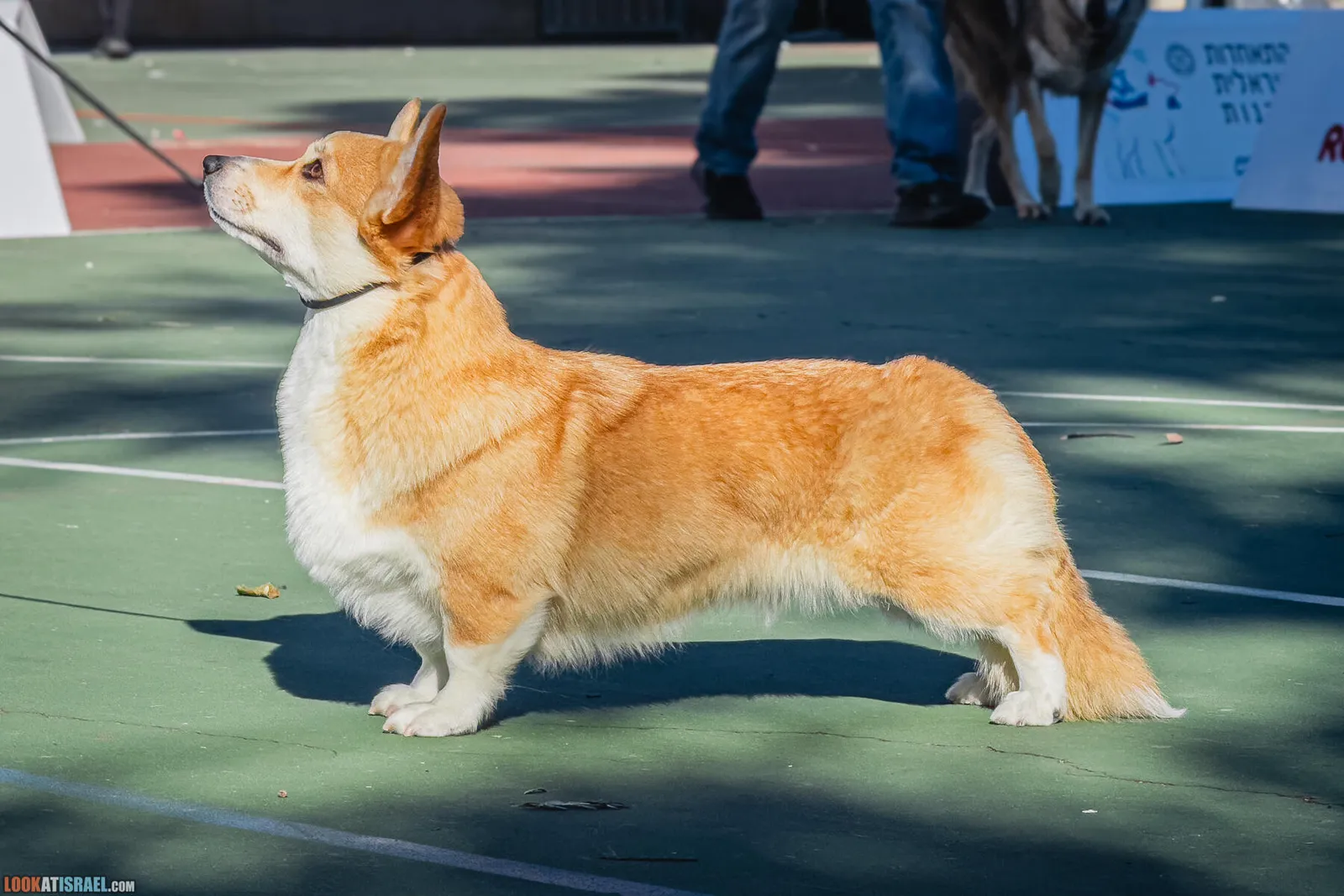
What Is a Breed Standard and Why Does It Matter?
Every officially recognized dog breed has its own breed standard—a document that describes the ideal representative of the breed. It defines the dog's appearance, movement, temperament, size, proportions, coat, color, and other important characteristics.
A breed standard is not simply a guide to what makes a dog "beautiful." Its primary purpose is to preserve the breed as it was originally intended. It helps breeders make responsible breeding decisions, enables judges to evaluate dogs consistently at conformation shows, and allows owners to better understand the unique characteristics of their breed.
It is important to remember that the breed standard describes the ideal dog. Minor deviations from the standard do not make a dog any less loved or valued as a companion. However, adherence to the standard helps preserve the breed's health, working ability, temperament, and distinctive appearance for future generations.
Below is the official FCI Breed Standard for the Pembroke Welsh Corgi.
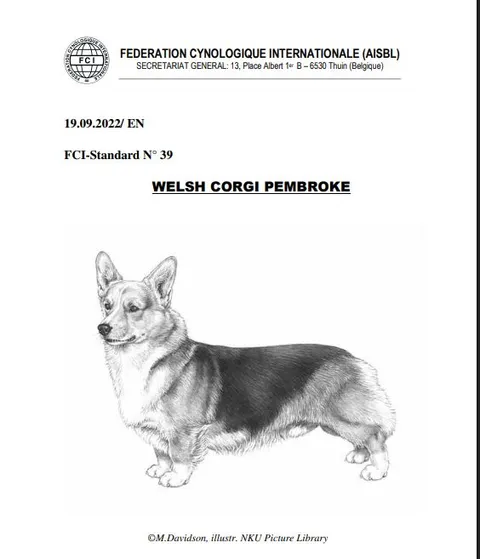
ORIGIN: Great Britain.
DATE OF PUBLICATION OF THE OFFICIAL VALID STANDARD: 16.06.2022.
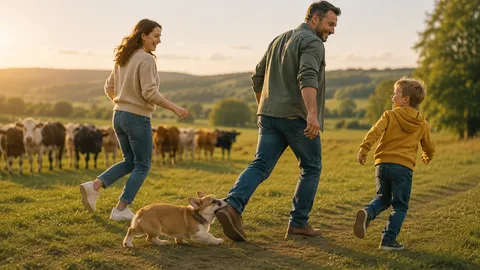
UTILIZATION: Sheepdog.
FCI-CLASSIFICATION:
- Group 1 - Sheepdogs and Cattle Dogs (except Swiss Cattle Dogs)
- Section 2 - Cattledogs (except Swiss
Cattledogs)
- Without working trial.
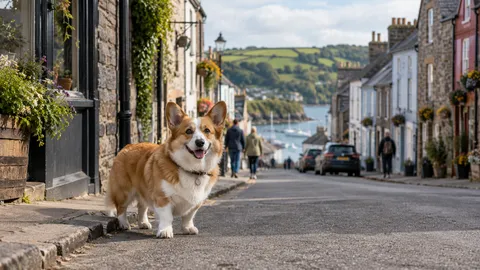
GENERAL APPEARANCE: Low set, strong, sturdily built, alert
and active, giving impression of substance and stamina in small
space.
IMPORTANT PROPORTIONS: Length of foreface to be in proportion to skull 3 to 5.
BEHAVIOUR/TEMPERAMENT: Bold in outlook, workmanlike. Outgoing and friendly never nervous or aggressive.
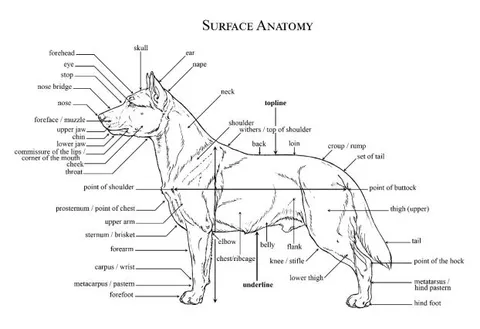
HEAD
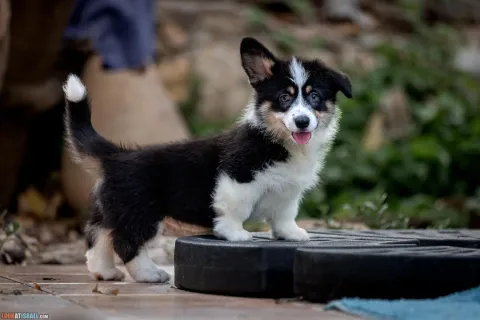
Head foxy in shape and appearance, with alert, intelligent expression.
CRANIAL REGION:
Skull: Fairly wide and flat between ears.
Stop: Moderate.
FACIAL REGION:
Nose: Black.
Muzzle: Slightly tapering.
Jaws/Teeth: Strong with perfect, regular and complete scissor bite,
i.e. upper teeth closely overlapping the lower teeth and set square
to the jaws.
EYES: Well set, round, medium size, brown, blending with colour
of coat.
EARS: Pricked, medium sized, slightly rounded. Line drawn from
tip of nose through eye should, if extended, pass through, or close
to tip of ear.
NECK: Fairly long.
BODY:
Medium length, not short coupled, slightly tapering, when
viewed from above.
Topline: Level.
Chest: Chest broad and deep, well let down between forelegs. Well
sprung ribs.
TAIL:
Previously customarily docked short.
Undocked: set in line with the top line. Natural carriage which may
be above or below top line when moving or alert.
Natural bobtails may occur, when the tail can be of any length,
carried above or below top line when moving or alert.
LIMBS
FOREQUARTERS:
Shoulder: Well-laid and angulated at 90 degrees to the upper arm.
Upper arm: Moulded round chest.
Elbow: Fitting closely to sides, neither loose nor tied.
Forearm: Short and as straight as possible. Ample bone, carried
right down to feet.
Forefeet: Oval, toes strong, well arched, and tight, two centre toes
slightly advance, of two outer, pads strong and well arched. Nails
short.
HINDQUARTERS:
General appearance: Strong and flexible. Legs short. Ample bone
carried right down to feet.
Stifle (Knee): Well angulated.
Hock joint: Hocks straight when viewed from behind.
Hind feet: Oval, toes strong, well arched, and tight, two centre toes
slightly advance, of two outer, pads strong and well arched. Nails
short.
GAIT / MOVEMENT: Free and active, neither loose nor tied.
Forelegs move well forward, without too much lift, in unison with thrusting action of hindlegs.
COAT
Hair: Medium length, straight with dense undercoat, never soft,
wavy or wiry.
Colour: Self colours in Red, Sable, Fawn, Black and Tan, with or without white markings on legs, brisket and neck. Some white on head and foreface permissible.
SIZE AND WEIGHT:
Height at the withers: Approximately 25 – 30 cm.
Weight:
- Males: 10-12 kg.
- Females: 9-11 kg.
FAULTS:
Any departure from the foregoing points should be considered a fault and the seriousness with which the fault should be regarded should be in exact proportion to its degree and its effect upon the health and welfare of the dog and its ability to perform its
traditional work.
DISQUALIFYING FAULTS
- Aggressive or overly shy dogs.
- Any dog clearly showing physical or behavioural
abnormalities.
N.B:
- Male animals should have two apparently normal testicles
fully descended into the scrotum.
- Only functionally and clinically healthy dogs, with breed typical conformation, should be used for breeding.