A Corgi Is Not a Toy Breed
Corgis are often chosen for their adorable appearance, cheerful expression, and compact size. But behind that charming face is a true herding dog — intelligent, independent, and accustomed to making its own decisions. Without consistent guidance, a Corgi may quickly decide that it is the one in charge of the household and start making its own rules.
Take a look at a Corgi from the outside.
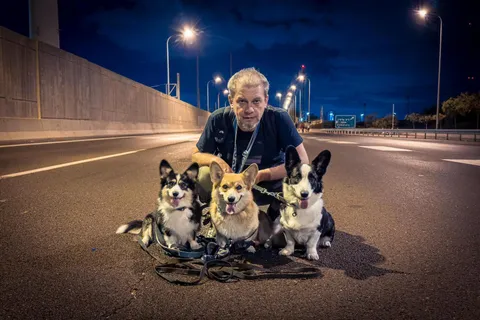
A short dog with little legs, enormous ears, and an ever-present “smile” seems completely harmless. As a result, many future owners take training and upbringing far less seriously than they would if they were getting, for example, a German Shepherd or a Doberman.
And that is one of the most common mistakes.
A Corgi is a genuine herding dog. For generations, the breed was developed to work independently with cattle. Such a dog had to assess situations quickly, make decisions without waiting for human commands, remain fearless in the face of a well-aimed hoof, and still be capable of controlling an entire herd.
Those qualities have not disappeared. They are still very much present in today’s companion Corgis.
Intelligent Does Not Mean Easy
Corgis really are highly intelligent, but intelligence has another side to it.
A Corgi quickly learns:
- who in the family is consistent;
- who can be manipulated;
- which rules can be broken;
- when a person is likely to give in.
If a rule stops applying even once, a Corgi will remember it and try again next time. This is why raising a Corgi requires not harshness, but consistency.
Who Makes the Decisions at Home?
You may sometimes hear the phrase, “A dog needs to know who the pack leader is.”
Today, professionals are increasingly moving away from the old interpretation of dominance theory. Domestic dogs are not trying to “take over” in the way people once imagined.
But there is another important point: a dog needs to understand who sets the rules. If the owner does not establish clear boundaries, the dog will create its own — and problems can gradually begin to appear.
A Corgi may start to:
- demand attention whenever it wants it;
- bark to get what it wants;
- guard the sofa or toys;
- refuse to cooperate with requests;
- pull on the leash and choose the route during walks;
- try to control other members of the family;
- become jealous of children or other animals.
This type of behaviour is particularly common in males, although females can show it as well.
This is not a “bad personality.” It is perfectly logical behaviour from a dog that has decided it is responsible for making the decisions.
Training Is Not Just About Commands
When people hear the word “training,” they often imagine a dog neatly performing commands such as “sit,” “down,” and “give paw.”
In reality, good manners begin somewhere else entirely.
A Corgi should learn to:
- wait calmly;
- respond to its owner even in the presence of strong distractions;
- walk on a loose leash;
- stay home alone calmly;
- leave food and other tempting things found outdoors;
- respect a person’s personal space;
- calmly tolerate grooming, examinations, and veterinary procedures;
- switch from excitement to a calm state.
These are the skills that make everyday life with a Corgi comfortable.
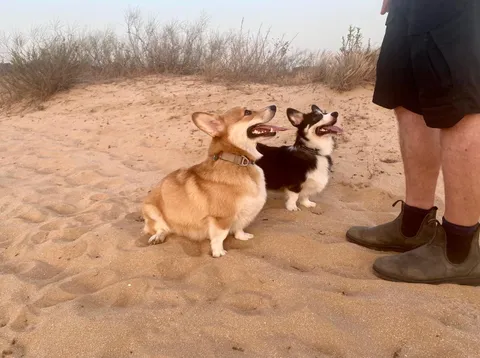
Why It Is Especially Important to Start During Puppyhood
Puppies learn incredibly quickly, and it is during the first months of life that many habits are formed and may then remain for years.
It is much easier to teach a small puppy to wait calmly for its food bowl than to retrain an adult dog that has spent several years demanding dinner with loud barking.
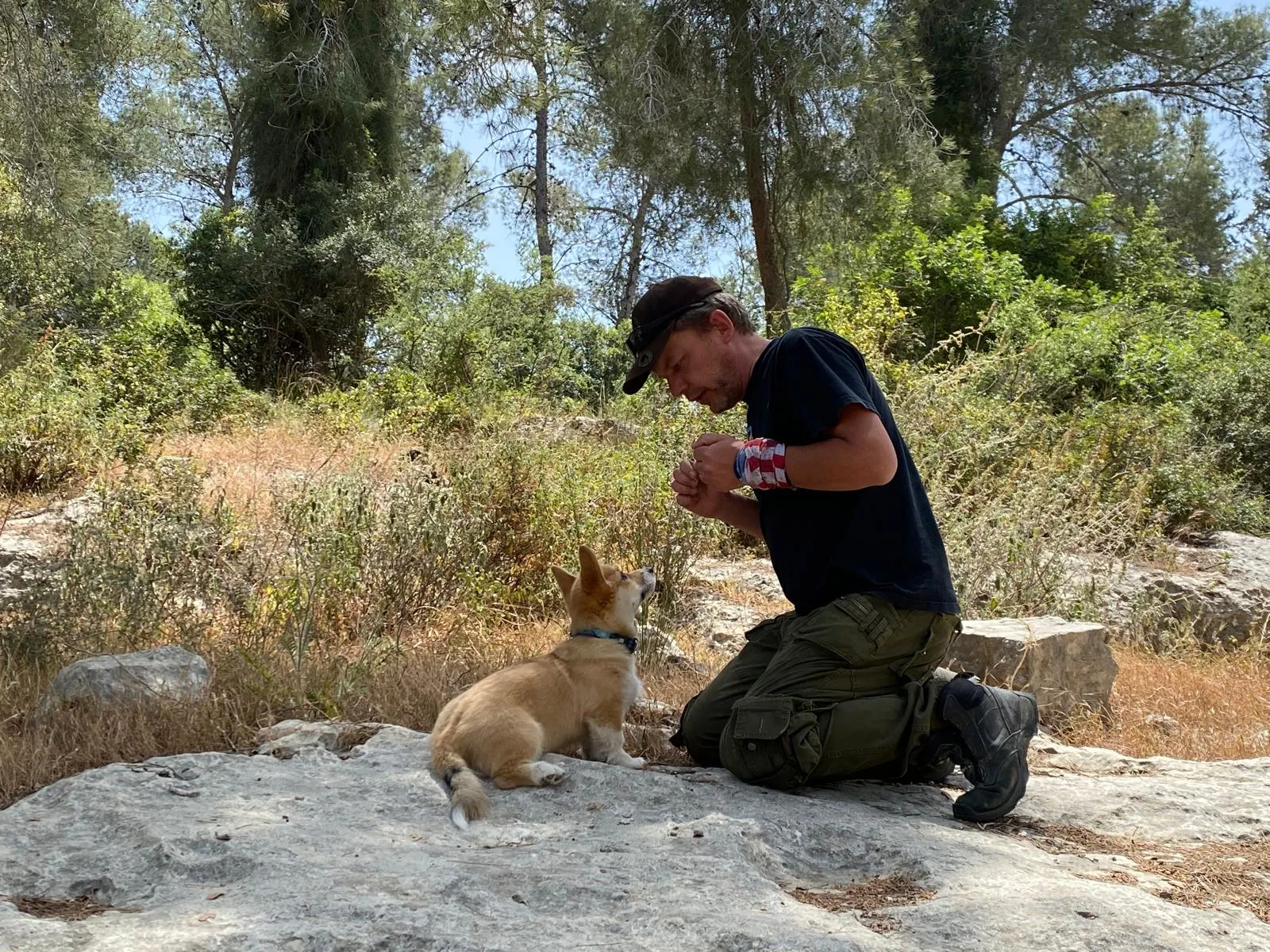
Training and education should begin not after the vaccination course is complete and not after the first lesson with a trainer, but on the very day the puppy crosses the threshold of its new home.
Do You Need a Dog Trainer?
Owners often ask, “Do I really need to work with a professional trainer?”
Not necessarily. If an owner is willing to learn alongside their dog, reads up-to-date literature, trains regularly, and understands the principles of learning, many mistakes can be avoided without professional help.
Nevertheless, a good trainer can make the process considerably easier and faster, especially when difficulties arise, such as:
- excessive excitement on walks;
- aggression;
- fears;
- persistent barking;
- difficulty focusing;
- recall problems.
The most important thing is to choose a professional who uses modern, humane training methods without intimidation or physical punishment.
What Matters Most for a Corgi
If we were asked to name just three skills that every Corgi should learn, we would choose these:
Reliable Recall
A solid recall may one day save your dog’s life.
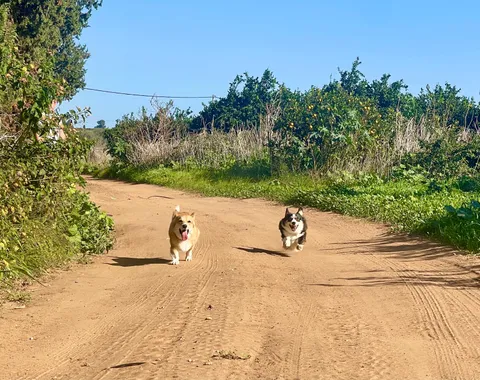
Calm, Loose-Leash Walking
Corgis like to go where they have decided to go and may pull hard towards their chosen destination. Learning to walk calmly on a loose leash makes walks much more pleasant and safer for everyone.

Responding to Boundaries
Your Corgi should understand when something is forbidden, whatever word you choose to use: “No!”, “Leave it!”, or another consistent cue. This skill can prevent many unpleasant or dangerous situations — from picking up food of unknown origin from the ground to unwanted approaches to people or other dogs, or attempts to run towards a potentially dangerous place.
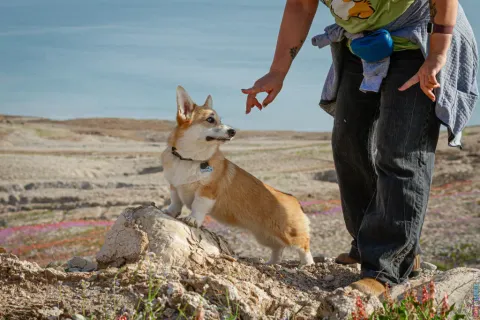
Although... perhaps we should add one more skill to this list — and it may be the most underrated of all: the ability to settle.
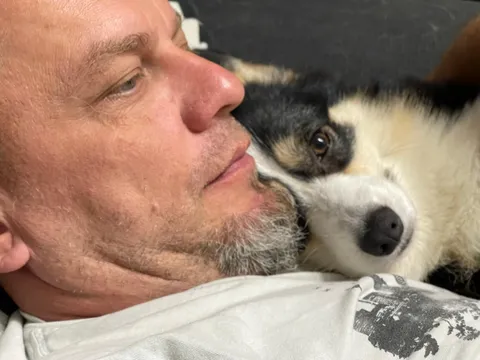
Many people believe that an active dog simply needs more exercise. But teaching a dog how to rest is just as important. A Corgi should be able not only to play, run, and work, but also to lie calmly beside its owner without constantly demanding attention.
Our Approach
With our first dog, we took several training courses with our breeder, who also happened to be an excellent dog trainer. We then applied the knowledge and skills we had gained when raising all of our other dogs.
We sincerely believe that good training and upbringing are among the best gifts an owner can give their dog.
A well-mannered Corgi does not become less cheerful, less active, or less independent. It simply learns the rules of living alongside people. And that ultimately gives the dog much more freedom, because its owner can trust its behaviour.
That is what we wish for every puppy that leaves our kennel for its new home. 🧡