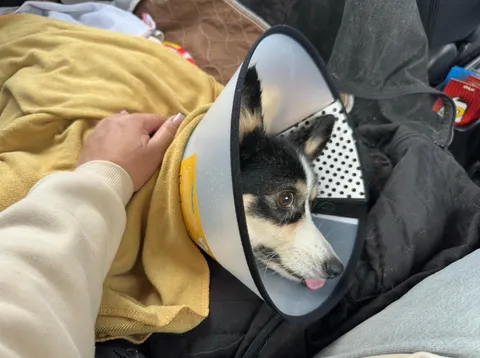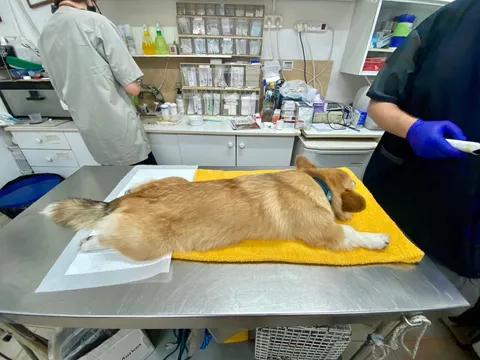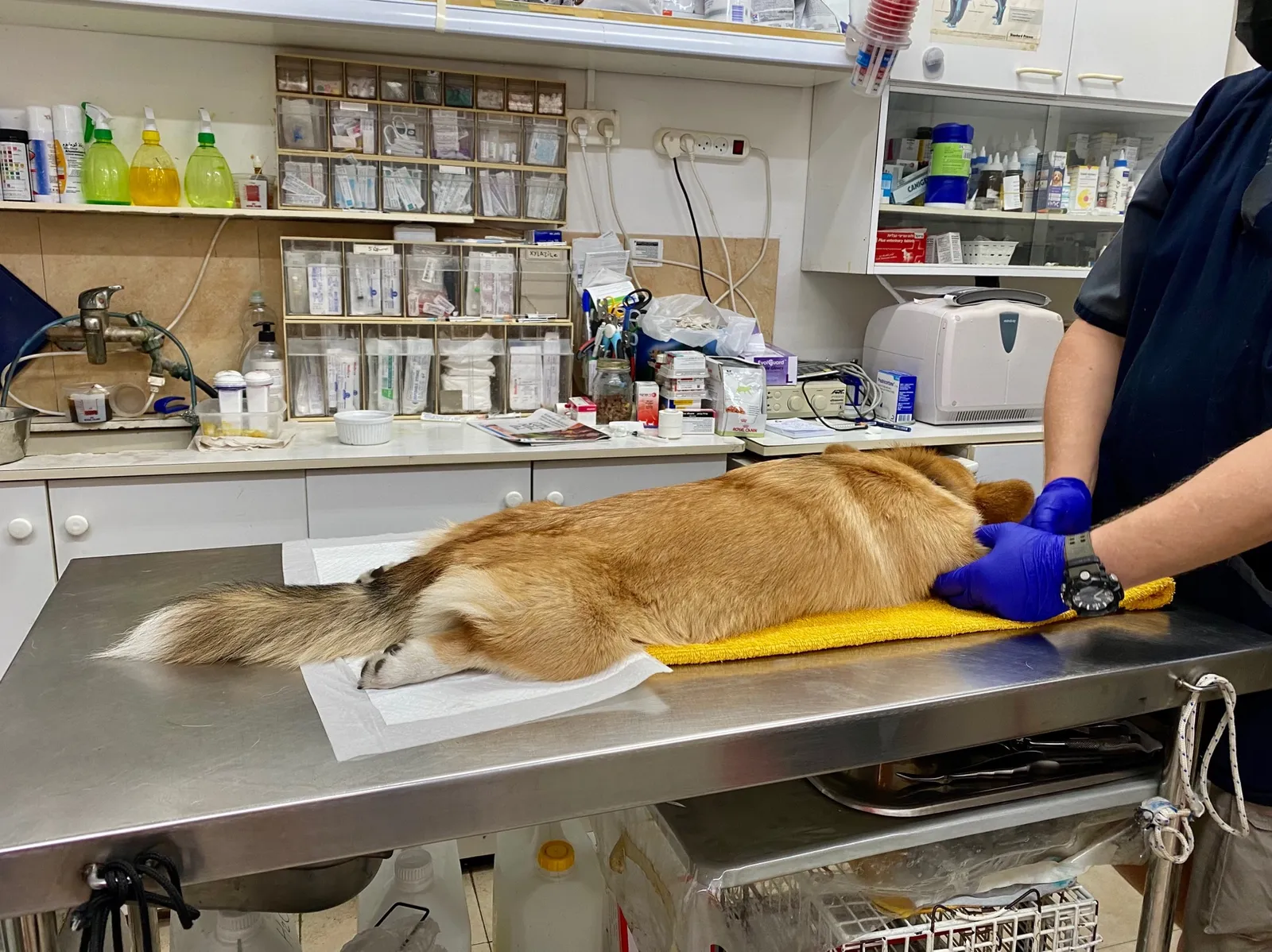
Advances in veterinary medicine make it possible to save dogs even in the most complex situations, but diagnostics, surgery, hospitalization and prolonged treatment can require substantial expenses. Health insurance does not free the owner from all costs and does not cover absolutely every type of treatment; however, a well‑chosen policy can significantly reduce the financial burden in an emergency. In this article, we look at how pet insurance works in Israel, what is usually included in the coverage, which limitations may be hidden in the small print, and what you need to pay attention to before taking out a policy.
Why I Decided to Write This Article
I spent 18 years working in the insurance industry, so I understand very well what role a properly chosen insurance policy can play at the most difficult moment.
Today my life is closely connected with dogs. As a kennel owner, I have more than once faced situations when a dog urgently needed diagnostics, surgery, hospitalization or long‑term treatment.
Illnesses and accidents never happen at a convenient time.
When a beloved dog ends up in a hospital, the last thing an owner wants to think about is money. In that moment you want to make decisions together with the veterinarian based on what will give the dog the best chance of recovery, not on how much the family can afford to spend right now.
One of our dogs once spent several days in hospital after severe postoperative complications. She needed multiple diagnostics, a blood transfusion, intensive care and constant monitoring both during hospitalization and after discharge.
This experience once again showed me how important it is to be able to focus on the dog’s condition and the vets’ recommendations, rather than on how to pay for the next day in hospital.
That is why I consider health insurance one of the tools an owner should think about in advance.
However, it is important to understand: having insurance does not mean the insurance company will pay for any treatment under any circumstances.
Every policy has its own terms, limitations, exclusions, waiting periods and payout limits. Choosing insurance based only on price or a marketing slogan about “full coverage” is therefore a serious mistake.
The goal of this article is not to advertise any particular company or declare one policy the best for everyone.
We want to help owners understand:
- how dog health insurance works;
- what expenses a policy may cover;
- what is usually not included in the coverage;
- which conditions you need to check in advance;
- how offers from different companies may differ;
- what questions you should ask before signing a contract.
Why a Dog Needs Health Insurance
Many owners assume that insurance is only needed for elderly or chronically ill animals.
In practice, serious expenses can arise with a dog of any age.
A puppy can swallow a toy or foreign object. A young, active dog can get injured during play or on a walk. An outwardly healthy adult dog can suddenly develop an acute condition that requires complex diagnostics or emergency surgery.
Situations that may be very costly include:
- accidents and injuries;
- fractures;
- snake bites;
- swallowed foreign objects;
- gastric torsion (bloat with volvulus);
- ligament damage;
- sudden neurological symptoms;
- severe infections;
- heart disease;
- cancer;
- emergency surgery;
- prolonged hospitalization;
- consultations with specialists;
- CT and MRI scans;
- post‑operative rehabilitation.
Even if an owner regularly sets money aside for veterinary bills, the cost of treatment in a severe case may be much higher than the amount saved.
Insurance does not remove the need to have a financial reserve. In most cases the owner still has to cover part of the treatment out of pocket, and sometimes pay the entire amount to the clinic first and only then apply for reimbursement.
But under suitable conditions, a policy can substantially reduce the final cost.
Insurance Is Not a Prepaid Vet Plan
A common mistake is to think of health insurance as a subscription that covers all veterinary services.
In reality, an insurance policy is usually designed primarily for unforeseen events: illnesses, injuries, surgery and expensive treatment.
It does not necessarily cover routine care for a healthy dog.
In most cases, the policy does NOT cover:
- preventive check‑ups;
- routine vaccinations;
- flea, tick and deworming treatments;
- food and supplements;
- routine spay or neuter surgery;
- pregnancy‑ and whelping‑related costs (including C‑section);
- grooming;
- cosmetic procedures;
- routine dental cleaning;
- paperwork and certificates;
- boarding in a kennel or dog hotel;
- dog trainer services.
Some plans may include additional services or preventive care packages, but you must check their availability separately.
So before you sign up, it is important to decide what exactly you expect from insurance.
Do you primarily need protection from major emergency expenses? Do you want coverage for chronic conditions? Is it important for you to freely choose a veterinary clinic? Do you need coverage for advanced diagnostics or physiotherapy?
Your answers to these questions will help you understand which policy actually suits your dog.
What a Health Policy May Cover
The exact coverage depends on the company and specific plan, but a policy may include expenses related to the following types of treatment:
- veterinary consultations due to illness or injury;
- lab tests;
- X‑rays;
- ultrasound scans;
- CT scans;
- MRI scans;
- surgery;
- anesthesia;
- hospitalization;
- intensive care;
- medications;
- specialist consultations;
- cancer treatment;
- rehabilitative therapy;
- physiotherapy;
- treatment of hereditary or congenital diseases;
- treatment of chronic diseases.
However, the mere mention of a service in marketing materials does not mean it will be covered without limitations.
For example, a policy may cover MRI only after the insurance company gives prior approval for that specific scan. Drug costs may be reimbursed only in connection with certain conditions. Physiotherapy may be limited to a set number of sessions. A chronic condition may be covered only until the end of the current insurance year.
That is why you need to read not only the list of covered services, but also the conditions under which they are provided.
What Counts as an Insured Event
An insured event is an occurrence that meets the policy’s conditions and gives the owner the right to claim a payout or reimbursement.
For example, the dog is injured, falls ill, or is hospitalized as a result of an incident covered by the contract.
But the fact that treatment took place is not enough.
For the costs to be recognized as an insured event, the policy conditions must usually be met:
- the insurance has already come into force;
- the waiting period has ended;
- the illness or symptoms did not exist before the insurance was taken out;
- the treatment was medically necessary;
- the owner provided all required documents;
- the event is not one of the exclusions listed in the policy terms;
- the costs do not exceed the stated limit;
- where required, prior authorization was obtained from the insurance company.
This is why it is so important to familiarize yourself with the rules in advance, not after the dog has already ended up in hospital.
Key Insurance Terms You Should Understand
Deductible or “Owner’s Share” (השתתפות עצמית)
Almost all insurance policies provide for the owner to share the cost of treatment.
This means the insurance company does not reimburse the full treatment cost — part of the expenses remain with the owner. For example, if the deductible is 500 ₪ and treatment costs 5,000 ₪, the first 500 ₪ are paid by the owner, and the remaining amount is considered by the insurer according to the policy terms.
The size of the owner’s share depends on the specific policy. It may be a fixed sum, a percentage of the treatment cost, or be calculated in another way.
Before taking out insurance, be sure to clarify:
- how the owner’s share is calculated;
- whether it applies to each insured event or only once a year;
- whether there is a maximum amount you may have to pay out of pocket.
Payout Limit
Almost every policy has a maximum amount the insurance company is prepared to pay.
The limit may be:
- per insured event;
- per illness;
- per calendar or insurance year;
- a lifetime limit for certain conditions.
After this limit is reached, the owner pays for all further treatment.
Waiting Period
Insurance usually does not start covering all conditions immediately.
The waiting period is the time between the start date of the policy and the point at which certain coverages come into force.
Waiting periods may differ for different types of events.
For example, accident cover may start earlier than illness cover. There may be a special, longer waiting period for orthopedic issues, hereditary diseases or certain surgeries.
The insurer needs a waiting period to prevent people from buying a policy only after symptoms appear or a diagnosis has already been made.
For the owner this means one thing: it’s best to insure your dog while she is still healthy.
If a problem arises first and only then a policy is purchased, the condition will almost certainly be classified as pre‑existing.
Pre‑Existing Condition
One of the most important concepts in health insurance is the pre‑existing condition.
This is any illness, injury, symptom or medical issue that appeared before the insurance started or during the waiting period.
A formal diagnosis is not always required.
For example, if the dog was limping before the policy was taken out and a few months later is diagnosed with joint disease, the insurance company may link the diagnosis to the previously documented symptom.
The same may apply to:
- recurrent itching;
- ear problems;
- vomiting or diarrhea;
- seizures;
- coughing;
- difficulty breathing;
- back pain;
- lameness;
- skin masses or growths;
- abnormal lab results;
- dental and gum disease.
You should therefore not conceal information about your dog’s health when applying for insurance.
If the insurer requests medical records and discovers that important information was withheld, this may be grounds for denying the claim.
Why It’s Better to Insure a Young Dog
The younger and healthier the dog at the time of enrollment, the lower the risk that significant conditions will be excluded as pre‑existing.
In addition, some companies set a maximum age at which a pet can be insured for the first time.
This does not mean that insurance is necessarily unavailable for an older dog. But the choice of plans may be narrower and there may be more limitations.
It is especially important not to delay for owners of breeds predisposed to certain diseases.
For corgis, for example, it is particularly important to look at conditions relating to:
- spinal diseases;
- orthopedic problems;
- ligament injuries;
- joint dysplasia;
- hereditary diseases;
- neurological diagnostics;
- physiotherapy and rehabilitation.
Even if the dog’s parents have passed all required genetic and orthopedic tests, neither a breeder nor a vet can guarantee the dog will never fall ill or be injured.
Health Insurance and Third‑Party Liability Are Not the Same Thing
It is important to distinguish between two different types of protection.
Health insurance covers treatment costs for the dog herself, according to the policy terms.
Third‑party liability insurance relates to damage the dog may cause to another person, animal or property.
For example, a dog may:
- bite a person;
- injure another dog;
- run into the road and cause an accident;
- damage someone else’s property.
Having health insurance does not automatically mean these events are covered.
Sometimes third‑party liability is included in the policy, sometimes it is an optional add‑on, and sometimes it is not offered at all.
You need to check this point separately.
Insurance Does Not Replace a Financial Reserve
Even a good policy does not eliminate the need to have money set aside for unexpected expenses.
There are several reasons for this:
- the policy may have a deductible;
- some costs may not be covered;
- a percentage co‑payment may apply;
- the payout may be limited by a cap;
- the clinic may require immediate payment;
- reimbursement may only be made after documents are submitted;
- the insurer may request additional information;
- it may take time to make a claims decision.
So it is sensible to combine insurance with a separate veterinary savings fund.
Insurance helps protect you primarily from major expenses, but it should not be your only source of money for treatment.
Price Should Not Be the Main Criterion
The cheapest insurance is not necessarily the most cost‑effective.
A low price can be due to:
- a low annual limit;
- a high deductible;
- a high co‑insurance percentage;
- a narrow list of covered conditions;
- exclusion of hereditary issues;
- no coverage for chronic diseases;
- a restricted network of vets;
- strict prior‑authorization requirements;
- a low per‑incident limit.
A more expensive policy also does not guarantee that its terms are best for your particular dog.
So you should compare not only the monthly premium, but also what you will actually receive if you file a claim.
What to Check Before Taking Out Insurance
When we buy insurance, it is natural to want to compare prices and pick the cheapest option.
But the premium is far from the most important factor.
What matters much more is understanding what will actually happen if your dog needs expensive treatment.
Below are the main points to study carefully before signing.
Size of the Deductible (Owner’s Share)
Almost any insurance policy assumes that part of the costs are paid by the owner.
The size of this share can vary from company to company.
So be sure to clarify:
- what portion of the expenses you will pay yourself;
- how this amount is calculated;
- whether it applies to each insured event or only once per policy term.
Sometimes a more expensive policy is actually more advantageous because the owner’s share is significantly lower.
Annual Payout Limit
The insurance company is not obligated to pay for treatment without limit.
Every policy specifies a maximum payout.
Once that limit is reached, all further expenses are borne by the owner.
Therefore, it is important to find out:
- what the overall annual limit is;
- whether it applies to all types of treatment;
- whether there are separate caps for expensive diagnostics or surgeries.
If the limit is relatively low, it may not be enough in a severe illness or a long hospital stay.
Hereditary Diseases
For purebred dogs this point is especially important.
Some conditions have a hereditary predisposition.
In different breeds, these may include joint, spinal, eye and heart diseases, or specific genetic disorders.
Some insurers include such conditions in coverage, others exclude them altogether, while still others cover them only under certain conditions.
If you are getting a purebred puppy, be sure to ask about this in advance.
Chronic Diseases
Some conditions cannot be completely cured.
For example:
- allergies;
- thyroid disease;
- diabetes;
- epilepsy;
- heart disease;
- certain joint diseases.
Dogs with such conditions may need treatment for many years.
So it is important to know:
- whether chronic diseases are covered;
- whether coverage continues if you renew the policy;
- whether there are caps on payouts.
Sometimes the company will cover only the initial treatment course, and further costs are the owner’s responsibility.
Diagnostic Tests
Modern veterinary medicine increasingly relies on expensive diagnostics.
These include:
- CT scans;
- MRI scans;
- endoscopic procedures;
- complex lab tests;
- consultations with narrow specialists.
The cost of such investigations can be very high.
So it is best to find out in advance:
- whether they are covered;
- whether there are cost limits;
- whether prior authorization is required.
Hospitalization and Intensive Care
Sometimes surgery is not the most expensive part of treatment.
Several days in intensive care with round‑the‑clock monitoring, IV fluids, constant checks and intensive therapy may cost more than the operation itself.
This is why you should pay attention to whether the insurance covers:
- hospitalization;
- intensive care;
- oxygen support;
- blood transfusions;
- 24/7 monitoring.
Rehabilitation
After surgery, treatment does not always end when the dog goes home.
Many dogs need:
- physiotherapy;
- hydrotherapy;
- underwater treadmill sessions;
- therapeutic exercise;
- repeat check‑ups.
Some plans fully or partially cover such treatment, while others do not cover it at all.
Medications
Be sure to clarify whether medications are included.
Sometimes insurance only covers drugs used during hospitalization, sometimes it also reimburses medications prescribed after discharge, and certain expensive drugs may have special limits.
Freedom to Choose a Vet Clinic
For many owners this is one of the most important questions.
Some insurers allow you to go to almost any licensed vet clinic.
Others work only with a particular partner network.
If your dog already has a regular vet, make sure the policy terms allow you to keep seeing them.
Prior Authorization for Treatment
Some types of treatment require prior approval from the insurance company.
This usually applies to:
- expensive surgeries;
- CT scans;
- MRI scans;
- prolonged hospitalization;
- certain kinds of specialist treatment.
Make sure you understand in which cases you must contact the insurer beforehand.
What Documents You Will Need
After treatment, the insurer will usually ask for documents confirming the expenses.
These may include:
- invoices;
- receipts;
- medical records or discharge letters;
- test results;
- prescriptions;
- proof of payment.
The more carefully you keep your dog’s medical paperwork, the easier the claims process will be.
Can You Insure a Dog That Is Already Ill?
This is one of the most common questions.
Unfortunately, if a condition arose before the policy was taken out, you usually cannot expect it to be covered.
That is why it makes sense to insure your dog while she is still healthy.
In that case, the risk that important conditions will be excluded from coverage is much lower.
Five Questions to Ask the Insurance Company
Before buying a policy, do not hesitate to ask questions.
For example:
1. Are hereditary diseases covered?
2. Are chronic diseases covered after diagnosis is made?
3. How is the owner’s share of treatment costs calculated?
4. Can I go to any vet clinic?
5. Which expenses most often lead to claim denials?
The answers will often tell you far more about a policy than any glossy brochure.
When Insurance Can Really Help
When a dog is young and healthy, health insurance can feel like an unnecessary expense.
“My dog has never been sick”, “we rarely see the vet”, “it’s better to just save money”—many owners think along these lines.
But veterinary expenses are not always age‑related.
Sometimes one unlucky day is enough.
The Dog Swallowed a Foreign Object
A ball, a toy part, a sock, a bone, a corn cob, a piece of plastic — the list of items surgeons remove from dogs’ stomachs and intestines every year is almost endless (for example, one of the puppies from our kennel once swallowed a fishing line with a hook while walking on the beach; the hook lodged in the puppy’s esophagus).
Sometimes the problem can be solved with endoscopy; in other cases, emergency surgery is needed.
Additional costs may include:
- X‑rays;
- ultrasound;
- blood tests;
- anesthesia;
- hospitalization;
- post‑operative care.
Cruciate Ligament Rupture
One wrong run, a jump or a sharp turn — and the dog stops bearing weight on a leg.
In many cases, an expensive orthopedic surgery is required.
After that come:
- repeat check‑ups;
- follow‑up X‑rays;
- physiotherapy;
- sometimes hydrotherapy;
- a rehabilitation period lasting several months.
Snake Bite
In Israel, this is a very real risk.
Even if the dog is brought to the clinic quickly, she may need:
- intensive care;
- 24‑hour monitoring;
- IV fluids;
- numerous tests;
- drugs to stabilize her condition;
- several days in hospital.
Intervertebral Disc Herniation or Acute Neurological Symptoms
This is especially relevant for breeds with long backs.
If the dog suddenly develops hind‑leg weakness or paralysis, the vet must find the cause quickly.
This may require:
- a neurologist consultation;
- an MRI scan;
- emergency surgery;
- long‑term rehabilitation.
Cancer
Unfortunately, tumors are not limited to senior dogs.
Treatment may involve:
- complex diagnostics;
- major surgery;
- histopathology;
- follow‑up tests;
- specialist consultations;
- sometimes chemotherapy.
Several Days in Intensive Care
Sometimes surgery goes well, but treatment does not end there.
Several days of intensive therapy can turn out to be the most expensive part.
Round‑the‑clock monitoring, IV fluids, lab control, blood transfusions, oxygen support and 24/7 care all add up.
It is in such situations that many owners first realize how much easier insurance could have made the financial side.
Would It Be Better Just to Save Money?
This is also a reasonable approach.
If you consistently build an emergency fund and are ready to pay for expensive treatment at any time, your own savings can indeed substitute for insurance.
But there is one important nuance.
Major veterinary expenses rarely build up gradually.
More often they appear suddenly.
Today your dog is perfectly healthy.
Tomorrow you may be facing treatment costs in the tens of thousands of shekels.
That is why many owners choose a combined approach:
- they buy health insurance;
- and at the same time continue to put money aside for veterinary expenses.
This offers extra financial security.
How to Compare Insurance Companies
Once you have decided you do want insurance, you should not choose a policy based solely on the monthly premium.
It is much more useful to draw up a small comparison table of key parameters.
For example:
- policy cost;
- size of the owner’s share (deductible and/or co‑insurance);
- maximum payout amount;
- surgery coverage;
- hospitalization coverage;
- coverage of expensive diagnostics (CT, MRI);
- coverage of hereditary conditions;
- coverage of chronic diseases;
- reimbursement of medications;
- coverage of physiotherapy and rehabilitation;
- ability to go to any vet clinic;
- age limits;
- waiting period;
- main exclusions.
This kind of comparison helps you see the real differences between plans.
A Few Tips Before You Sign Up
- Do not put off getting insurance until the first signs of illness appear.
- Read the contract carefully, not just the marketing leaflet.
- Clarify any unclear terms before signing.
- Keep medical documents and receipts from every vet visit.
- If your dog’s condition changes, notify the insurance company promptly if the policy requires it.
In Lieu of a Conclusion
Over the years I spent working in insurance, I became convinced of one thing: good insurance is not about expecting bad things to happen.
It is there so that if trouble does strike, we can focus on helping our loved one — and not on scrambling to find money for treatment.
But it is equally important to remember:
❗ Even the most expensive policy is no substitute for carefully reading the contract.
❗ There is no perfect policy that suits absolutely everyone.
❗ There is a policy that best fits your particular dog, your lifestyle and your financial situation.
So do not rush your choice.
Compare the terms, ask questions, study the exclusions, and only then decide.
I sincerely hope your dog will never need expensive treatment.
But if that day ever comes, may the only question you have to answer be which vet is the best choice — not how to pay for the bill.
Overview of Pet Insurance Providers in Israel
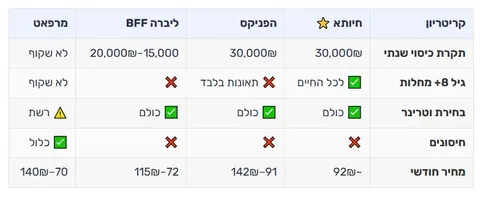
Hayuta — the Broadest Medical Coverage
Pros
- High annual payout limit — up to 30,000 ₪, renewed each year.
- Free choice of vet clinic, specialist or 24‑hour emergency center anywhere in the country.
- Coverage of hereditary and genetic diseases.
- Medications are included in the medical coverage without a separate limit.
- The company specializes exclusively in pet insurance.
Cons
- The owner’s share is 10% of the treatment cost, which can be significant for expensive surgeries.
- Preventive dental procedures and vaccinations are not covered.
- The premium increases as the dog ages at each annual renewal.
Our Comment
Hayuta is one of the few companies focused solely on pet insurance. This is clearly reflected both in the structure of the policy and in their understanding of veterinary specifics.
This plan can be especially attractive for pedigree dog owners, as coverage extends to many hereditary conditions.
The waiting period is 14 days for illnesses and 72 hours for accidents, which is in line with market standards.
Best suited for:
- owners of pedigree dogs;
- those who want to choose their own vet;
- those looking for the broadest possible medical coverage.
Phoenix — Favorable Terms for Young Dogs
Pros
- Low, flat deductible of 250 ₪ (until the dog reaches 8 years of age).
- Third‑party liability insurance is already included in the basic policy.
- Compensation is provided if the pet dies as a result of an accident or required euthanasia.
- There is a dedicated program for breeds classified as potentially dangerous.
- Free choice of vet.
Cons
- After the dog turns 8 years old, the terms become less favorable — the owner’s share rises to 20% or 500 ₪.
- Limited coverage of medications for home treatment.
- Routine vaccinations are not included in the basic plan.
Our Comment
The main advantage of Phoenix is its clear, predictable owner’s share, which is particularly beneficial when treatment is expensive.
It is also one of the few companies where third‑party liability cover is already included in the base package, freeing the owner from purchasing a separate liability policy.
However, owners of senior dogs should study the renewal terms carefully after the age of eight.
Best suited for:
- owners of young dogs (up to about 7–8 years);
- owners of large or potentially dangerous breeds;
- those who want combined health insurance and third‑party liability coverage.
Libra — Convenient Digital Service
Pros
- One of the shortest waiting periods for accidents — just 48 hours.
- Fully digital policy enrollment and claims submission.
- Fast reimbursement paid directly to your bank account.
- Free choice of vet.
- Medications are included within the overall annual limit.
Cons
- Lower limit per insured event.
- Some brachycephalic breeds (with shortened muzzles) are not accepted.
- For surgical treatment, the owner must pay 10% of the operation cost.
- Third‑party liability insurance must be taken out separately.
Our Comment
Libra focuses primarily on convenience. All key procedures — from buying a policy to submitting documents — are done through a mobile app.
This is a good option for those who value digital services and want to arrange insurance as quickly as possible.
However, owners of French Bulldogs, Pugs, Boxers and other brachycephalic breeds should check in advance whether cover is available.
Best suited for:
- those who prefer fully digital service;
- owners of mixed‑breed and most purebred dogs;
- those who want coverage to start as quickly as possible.
Marpet — No Need to Pay Out of Pocket First
Pros
- The vet clinic is paid directly by the service provider.
- Some plans have no owner’s share at all.
- There are plans that include vaccinations and preventive procedures.
- Minimal bureaucracy when seeking treatment.
- On certain tariffs, the price does not increase as the dog ages.
Cons
- Treatment is possible only at partner clinics within the network.
- Longer waiting period for illnesses (60 days).
- No third‑party liability coverage.
- This is a service contract rather than a classic insurance policy.
Our Comment
Marpet uses a different model from traditional insurance companies.
The main advantage is that the owner often does not have to pay for expensive treatment up front and then wait for reimbursement — payments are settled directly between the service and the clinic.
However, before signing up you should make sure there is a partner clinic nearby that you are happy to use.
Best suited for:
- owners who do not want to pay large vet bills out of pocket and then wait for reimbursement;
- families on a tight budget;
- those who already use a vet clinic that is part of the partner network.
❗ Important: insurance terms change regularly. Before taking out a policy, read the current contract wording and tariffs carefully. To compare up‑to‑date plans, it is convenient to use the WiseDog website, which updates information on the main pet insurance products in Israel every year.