
History & Cynology
Everything about Corgis — from the history of the breeds and legendary kennels to genetics, behaviour and modern cynology. Research, archival discoveries, practical experience and everyday life with dogs — from our kennel.
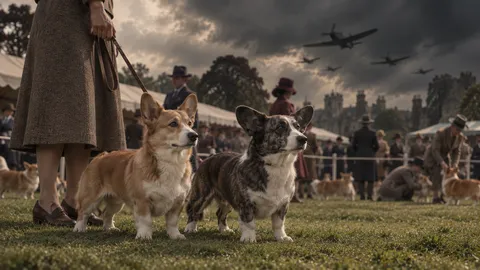
Dogs at War: How Corgis Survived World War II
22-Oct-2026
History & CynologyAbout the breed
When we think of dogs in wartime, we usually picture messengers, sentries and military working dogs. But war also transformed breeds far from the front: dog shows stopped, breeding programmes were disrupted, bloodlines disappeared, and small populations became especially vulnerable. Through the stories of Pembroke and Cardigan Welsh Corgis, we explore how World War II changed two young breeds — and why its legacy can still be traced in their pedigrees today.
Read more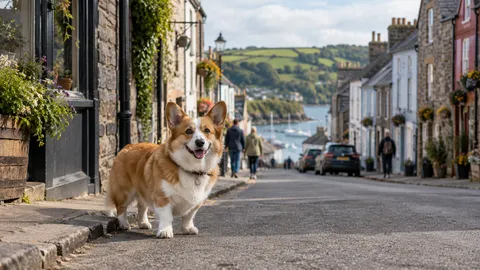
Where Did Britain’s Corgis Go — and Why Did They Come Back?
10-Oct-2026
History & CynologyAbout the breed
In 1960, nearly 9,000 Pembroke Welsh Corgis were registered in Britain. Half a century later, only a few hundred remained, and in 2014 the breed was placed on the list of vulnerable British breeds. What happened to a dog once known throughout the country? The disappearance of large kennels, the tail-docking ban, changing fashions — and an unexpected reputation as “an older person’s dog.” Then The Crown arrived, and the story of the corgi took another turn.
Read more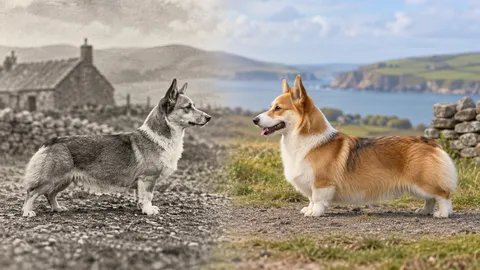
How the Corgi Has Changed Over a Century
28-Sep-2026
History & CynologyAbout the breed
A corgi from the early twentieth century is instantly recognisable — yet beside a modern dog, it can look surprisingly unfamiliar. Over the past hundred years, proportions, body, head, ears, coat and overall breed type have changed, while the dogs themselves have become far more uniform. Using photographs from different decades, we trace how standards, dog shows and breeders’ choices gradually shaped the appearance of both the Pembroke and the Cardigan.
Read more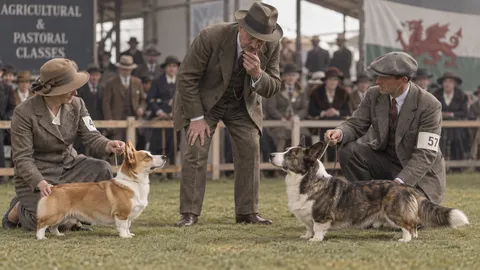
How One Corgi Became Two: The History of the Pembroke and Cardigan
19-Sep-2026
History & CynologyAbout the breed
Today, the Pembroke and Cardigan are two distinct breeds that are difficult to confuse. Yet a century ago, the British Kennel Club registered them as a single breed — the Welsh Corgi. They competed in the same rings, for the same titles, and were even crossed with one another. Why did breeders almost immediately begin to disagree, what did tails have to do with it, and how did a docking ban make the confusion even worse? This is the story of how, in 1934, one officially recognized Welsh Corgi finally became two separate breeds.
Read more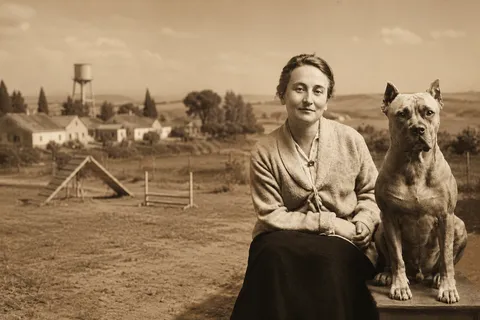
The Woman Who Taught Dogs Hebrew: Rudolphina Menzel and the Birth of Cynology in Israel
09-Sep-2026
History & Cynology
How did a woman who trained dogs with Hebrew commands back in Austria become one of the key figures in the history of Israeli cynology? We will tell the story of Rudolphina and Rudolph Menzel: the “Sons of Satan” kennel, working dogs, their first trips to Palestine, the creation of the studbook and a professional cynological system, their work with local pariah dogs, and the emergence of the Canaan Dog. This is a story of science, war, dog shows, training, and the people who helped lay the foundations of modern Israeli cynology.
Read more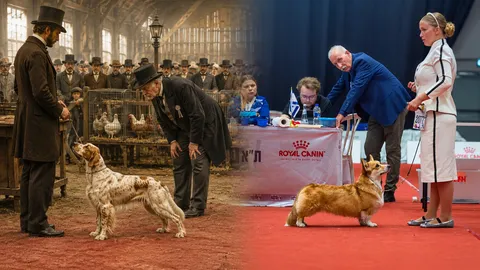
How Dog Shows and Kennel Clubs Began
02-Sep-2026
History & CynologyPedigree breeding
How did the modern world of pedigree dogs grow out of the noisy agricultural shows of the 19th century? We’ll explore how the first dog shows appeared, why breed standards, stud books and kennel clubs became necessary, and how they changed the very idea of what a breed is. We’ll trace the journey from a small show of Pointers and Setters in Newcastle in 1859 to Crufts, the World Dog Show and the European Dog Show — and see how, over a century and a half, dog shows grew from an unusual experiment into an international system.
Read more