Давай. Сначала английский — максимально естественный для сайта питомника, не дословный там, где по-английски это звучало бы тяжеловесно.
Where to Start
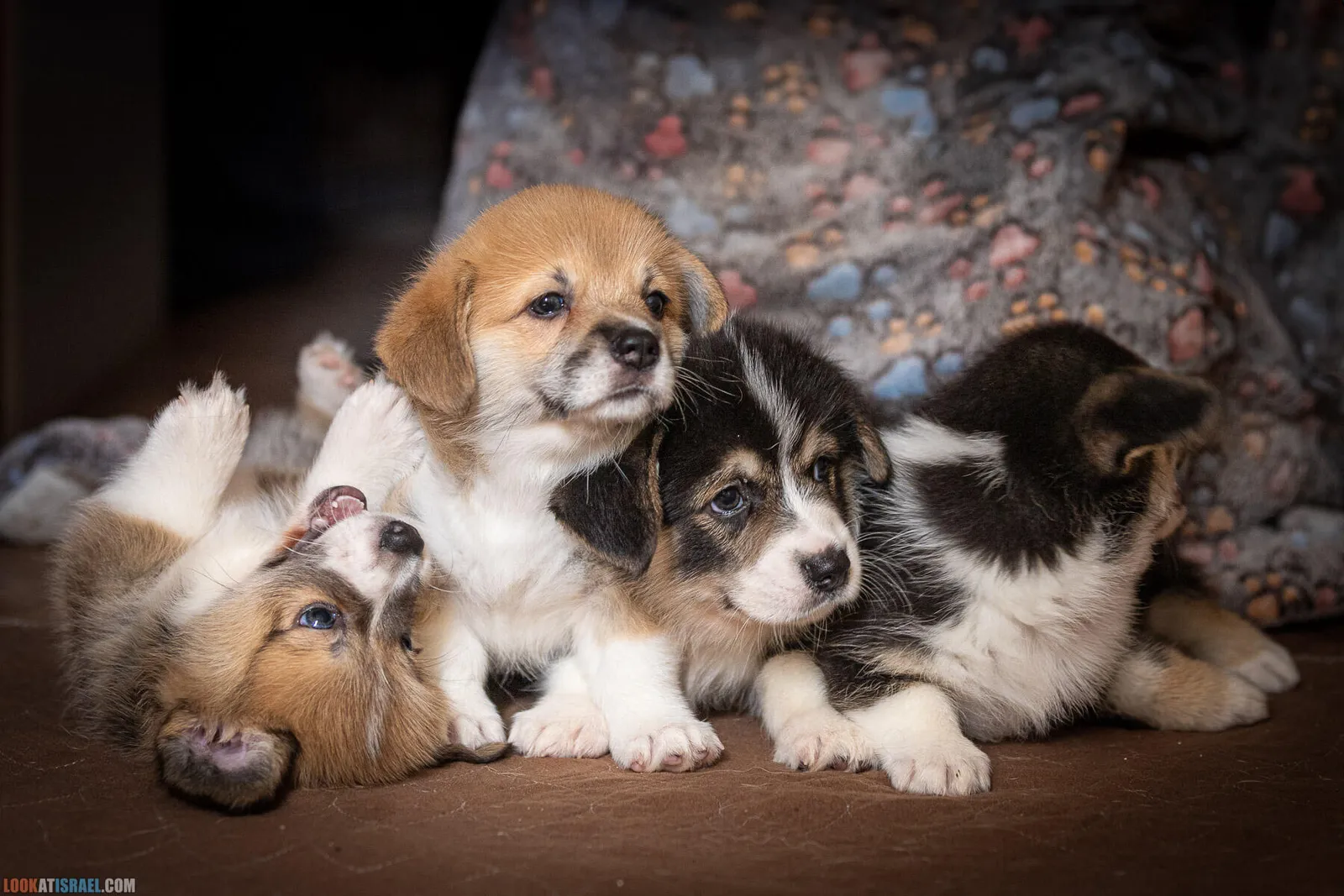
Many prospective owners begin their search by typing “buy a corgi” into a search engine. But it makes far more sense to look not for a puppy, but for a breeder you can trust, because the breeder has an enormous influence on your future dog's health, temperament, socialization, and first months of life.
In our view, the right order should be:
1. Decide which breed is right for you — Pembroke or Cardigan.
2. Find a responsible breeder.
3. Only then choose a particular puppy.
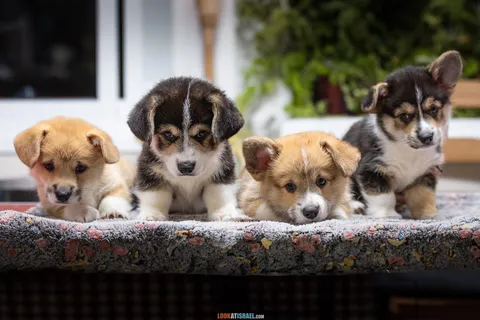
Choosing “the cutest one in the photo” is one of the least reliable approaches. At eight weeks old, absolutely every puppy is adorable, but you will be living with an adult dog — with its temperament, habits, and health — for many years to come.
Don't rush. Good breeders rarely have puppies available “here and now.” Litters are planned in advance, and there may be a waiting list for some puppies. This is not a disadvantage; rather, it is often a sign that the breeder is not producing puppies on a large scale.
Whenever possible, meet not only the puppies but also the adult dogs. Puppyhood lasts only a few months, while an adult corgi will be your companion for many years.
Documents: What Should Your Puppy Have?
A pedigree puppy should have:
- a pedigree;
- a veterinary passport with records of vaccinations and parasite treatments;
- a microchip whose number matches the documents;
- a sales contract specifying the rights and responsibilities of both parties.
The phrase “cheaper without papers” should be a warning sign. This is not a bargain — it is a gamble. Without a pedigree, no one can guarantee that the dog is purebred or give you reliable information about the temperament, health, and background of its bloodlines.
A pedigree is much more than just a fancy piece of paper. It allows you to trace a dog's ancestry, learn about its relatives, check titles and genetic test results, and confirm that the puppy really is a purebred representative of the breed you have chosen.
You can read more about this in our article “How to Read a Dog's Pedigree”.
Health Begins Long Before a Puppy Is Born
A responsible breeder starts thinking about the health of a future litter long before the mating takes place.
Corgis can be affected by a number of hereditary conditions, the risks of which can be significantly reduced through careful selection of breeding dogs and modern genetic testing. These include:
- von Willebrand disease (vWD);
- degenerative myelopathy (DM);
- certain hereditary eye diseases;
- hip dysplasia.
Don't hesitate to ask to see the health test results of both parents. A good breeder will be happy to explain which tests were performed, what the results mean, and why this particular pair was chosen for the mating.
In addition to genetic testing, there are other things worth considering:
- the age of the parents;
- the number of previous litters;
- the mother's overall health;
- the temperament of both parents.
A calm, stable temperament — just like aggression — has a hereditary component, no less worthy of attention than conformation.
In Israel, obtaining breeding approval through the Israel Kennel Club currently requires certain mandatory genetic tests (at present performed through Orivet) in accordance with the current נוהל גידול (Breeding Regulations). This is another mechanism that helps make pedigree breeding more responsible.
Don't Choose a Puppy Based Only on Color
Very often, the first questions prospective owners ask are:
“Do you have red puppies?”
“Any tricolors?”
“Any natural bobtails?”
Of course appearance matters, but coat color is far from the most important characteristic of your future dog. Temperament, health, activity level, and compatibility with your family's lifestyle matter far more than coat color or tail length.
A Good Breeder Chooses the Owners Too
If a breeder asks detailed questions about your family, your experience with dogs, your work, daily routine, children, and other pets, that is a good sign.
A responsible breeder is not simply selling a puppy — they are trying to find each puppy a family where it can spend the rest of its life.
Sometimes a good breeder will even turn down a prospective buyer. It may be disappointing, but this is part of being responsible for the dogs they bring into the world.
A Responsible Breeder: What to Look For
There are several signs that can help you recognize a responsible breeder:
- The breeder is happy to answer questions and has nothing to hide.
- The puppies are raised around people, exposed to normal household sounds, and receive early socialization.
- You can meet the puppies' mother and receive information about their father.
- Puppies do not leave for their new homes before eight weeks of age.
- The breeder is honest not only about the advantages of the breed, but also about its particular characteristics: seasonal shedding, herding instincts, the need for training, and regular walks.
- After the puppy moves to its new home, the breeder stays in touch and is willing to offer advice and support for as long as necessary.
Questions Worth Asking the Breeder
Don't be afraid to ask questions. A responsible breeder will welcome them and often encourage you to ask more.
For example:
- What health examinations and genetic tests have the parents had?
- Why was this particular pair chosen for the mating?
- How are the puppies being socialized?
- What are the puppies currently being fed?
- What recommendations will you give us for the first few weeks at home?
- Can we meet the puppies and adult dogs beforehand?
- What happens if our circumstances change several years from now?
The last question is especially important. A responsible breeder will not leave a dog they have bred without support and, if necessary, will do their best to take the dog back or help find it a suitable new home.
Red Flags
The following signs should make you cautious:
- Puppies are constantly available, with no waiting period.
- Many different breeds are being bred at the same time.
- The breeder is willing to sell a puppy to anyone without asking a single question.
- You are asked to meet in a parking lot or collect the puppy without visiting the breeder.
- The breeder refuses to show you the puppies' mother or where the puppies are being raised.
- You are told, “You don't need papers anyway.”
- The breeder cannot show you the parents' health test results.
- The breeder cannot explain why this particular pair was chosen for breeding.
- You are promised a “perfect puppy with no faults.”
- You are pressured to make an immediate decision or pay a deposit before you have even met the breeder or the dogs.
Don't Let Children Choose the Puppy
Children naturally tend to choose the cutest, fluffiest, or most active puppy. But the final decision should always be made by the adults, because it is the adults who will ultimately be responsible for raising the dog, paying veterinary expenses, organizing daily walks, and caring for the dog for many years.
A good breeder will also help choose the puppy that best matches the temperament and lifestyle of the particular family, rather than simply following preferences for color or sex.
Take Your Time and Be Selective
Buying a puppy is not a race. Don't be afraid to ask questions, request documents, learn about the parents' health, and find out how the puppies are being raised.
You are not simply choosing a dog — you are choosing the person who laid the foundations for its health, temperament, and relationship with the world around it.
Don't look for the cheapest puppy or the prettiest one in the photo. Look for a breeder you can trust.
If you would like to get to know our kennel, meet our dogs, learn about our planned litters, or ask us any questions, we will always be happy to hear from you. Take a look at “Our Dogs”, “Litters” and “Puppy Reservation” — and come meet us in person.